
Quantum Computing Explained: How Qubits Could Transform the Future of Technology

Quantum Computing: The Next Leap in Computing Power
Have you ever wondered what would happen if computers didn’t just think in 0s and 1s?
That question leads us into the fascinating world of quantum computing.
It sounds complex — and honestly, parts of it are — but the core idea can be understood step by step.
First, How Do Normal Computers Work?
Every device you use today — your phone, laptop, even large data centers — runs on bits.
A bit can be:
0
or 1
All software, apps, and websites are built from combinations of these two states.
Simple, right?
So What Makes Quantum Computing Different?
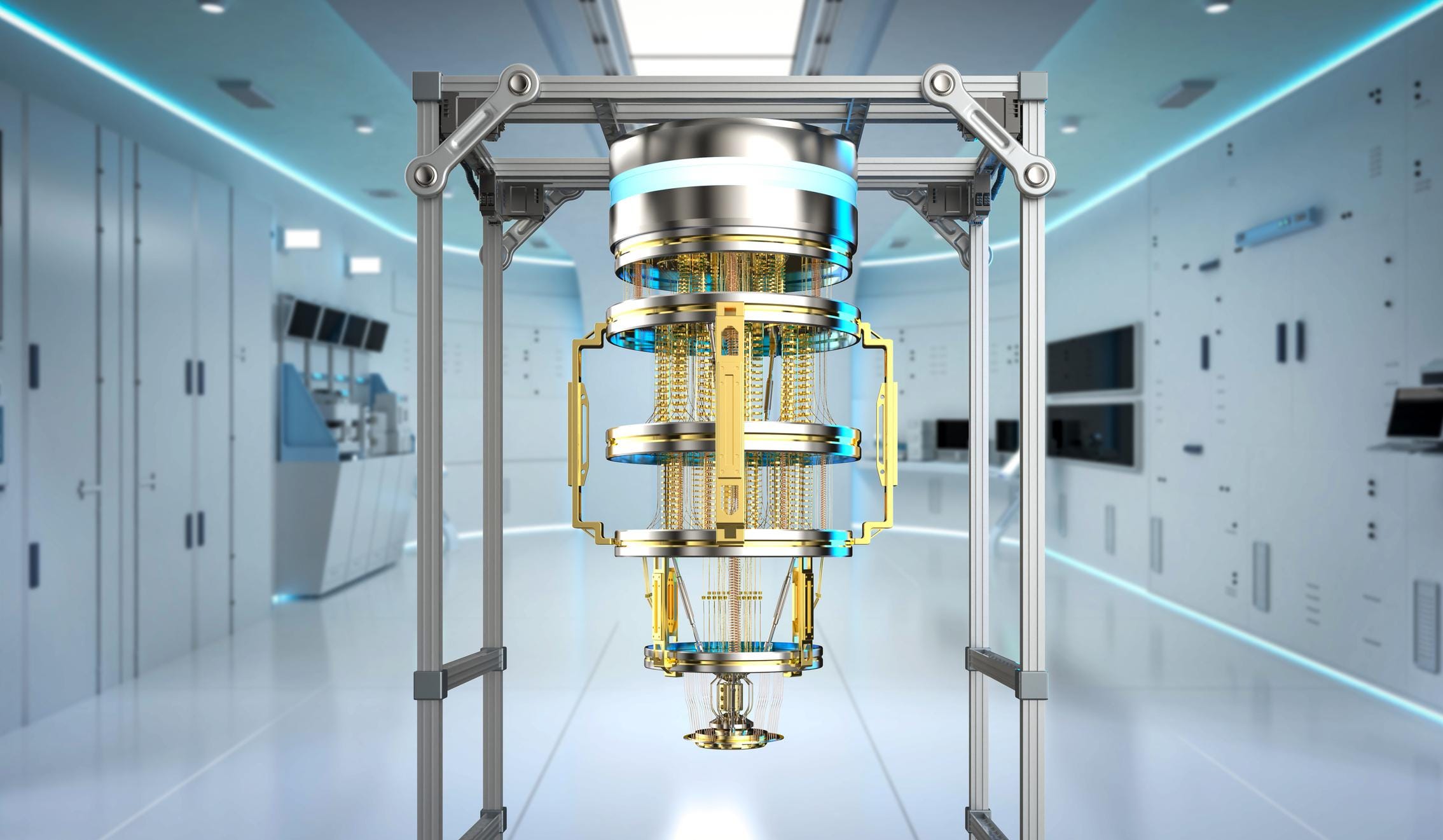
Quantum computers use something called qubits (quantum bits).
Unlike normal bits, qubits can be:
0
1
or both at the same time
This “both at once” state is called superposition.
If that sounds strange, don’t worry — it is.
But here’s an easier way to imagine it.
A normal bit is like a light switch:
On or off.
A qubit is more like a spinning coin:
Until it lands, it represents both heads and tails.
Why Is This Powerful?
Because when qubits work together, they can explore many possibilities at once.
That means quantum computers could solve certain problems much faster than classical computers.
For example:
Complex chemistry simulations
Drug discovery
Optimization problems
Breaking certain types of encryption
Another Key Idea: Entanglement
There’s another important concept called entanglement.
This means qubits can become connected in a way where changing one instantly affects another — even at a distance.
It’s one of the strangest ideas in physics.
But in computing, it allows highly coordinated calculations.
Who Is Building Quantum Computers?
Major companies are investing heavily, including:
IBM
Google
Microsoft
Governments are also funding research because quantum computing could transform industries.
Is Quantum Computing Replacing Normal Computers?
No.
Quantum computers are not better at everything.
They’re designed for very specific types of problems.
For everyday tasks like:
Browsing the internet
Writing emails
Watching videos
Classical computers are still perfect.
Think of quantum computers as specialized super-tools, not replacements.
The Big Takeaway
Quantum computing isn’t magic.
It’s computing based on the strange rules of quantum physics.
It won’t replace your laptop tomorrow.
But for certain complex problems, it could unlock solutions that today’s computers simply can’t reach.
Understanding the basics now prepares you for a future where computing may look very different from what we’re used to.